
The short answer
Yes, heat pumps are a good fit for Sunnyvale's mild winters and warm summers, and one system handles both heating and cooling. Bay Area Air District rules don't make you replace a working furnace. Gas furnaces made from 2029 on must be zero-NOx, so it makes sense to plan a heat pump switch before your current equipment fails.
A heat pump heats and cools your home with one system by moving heat instead of burning gas to make it. For many Sunnyvale homeowners, the question isn't whether heat pumps work here. The mild winters suit them well. The real questions are when switching makes sense and what the installation involves. ClimateEdge HVAC Service installs heat pumps in homes across Sunnyvale, about 11 miles south of our Fremont base, including ZIP codes 94085, 94086, 94087, and 94089. Here's what to know before you plan the project.
Why Heat Pumps Suit Sunnyvale's Climate
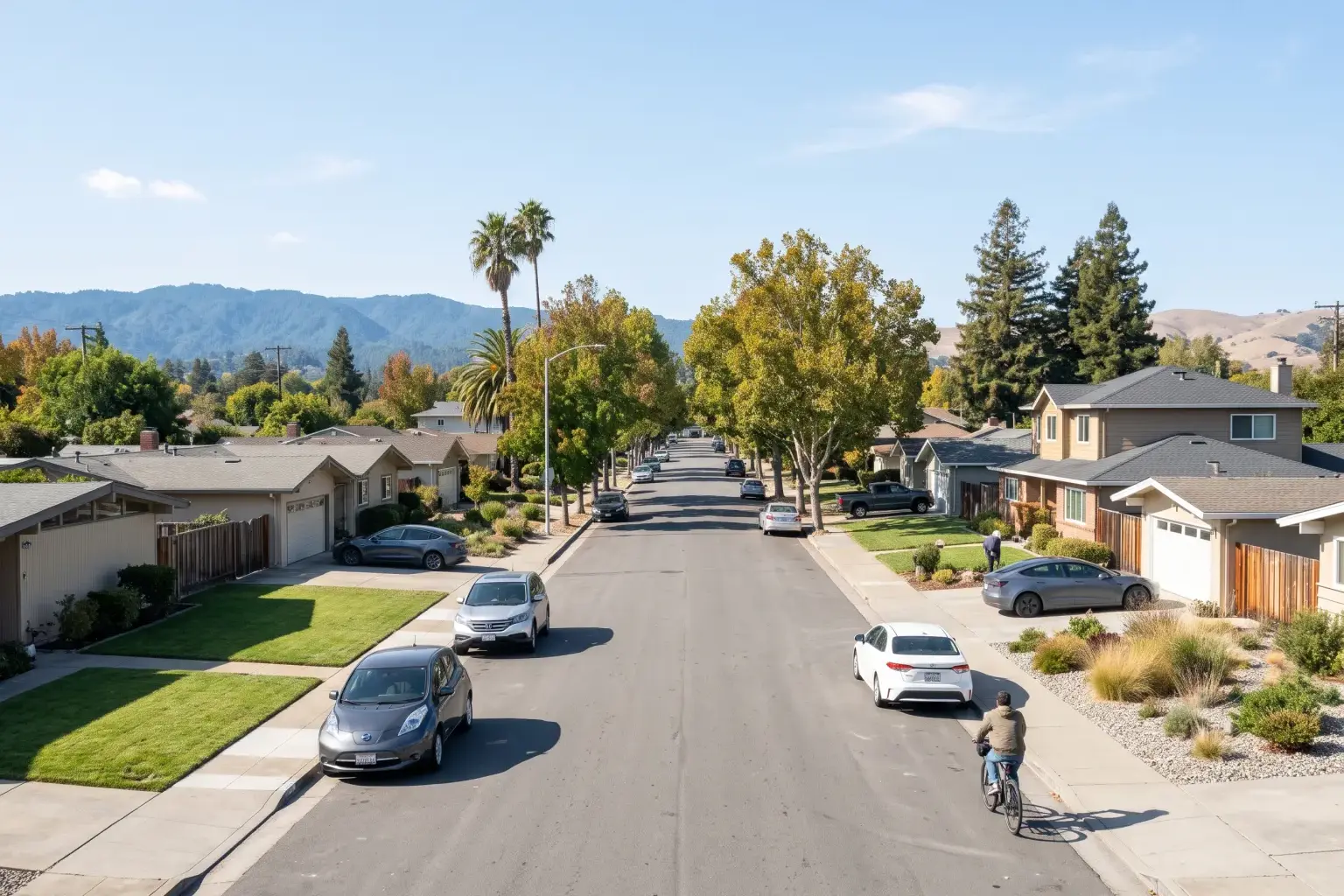
The Santa Clara Valley has a Mediterranean climate, with dry summers and mild, damp winters. That pattern plays to a heat pump's strengths. Winter nights here rarely call for the heating capacity that colder regions need, so a correctly sized heat pump can keep your home comfortable through the heating season.
Summer is the other half of the picture. Inland and southern parts of the valley get noticeably hotter than areas near the Bay, and a heat pump gives you central cooling from the same equipment. If your home has a furnace but no air conditioning, a heat pump can add cooling without a separate system.
Heat pumps run on electricity. If your home has rooftop solar, you may be able to cover part of the operating cost with power you already produce.
What the Air District Rules Mean for Your Furnace
Under Bay Area Air District Rule 9-4, natural gas furnaces manufactured from 2029 on must meet a zero-NOx emission standard. In practice, that pushes homeowners toward heat pumps when they replace a furnace after that date.
These rules don't require you to remove working equipment. They apply only when an existing furnace or water heater fails or is replaced. If your furnace runs fine today, you have time to plan instead of react. Planning ahead usually means a better-sized system and fewer compromises than an emergency swap.
Water heaters fall under a separate rule, Rule 9-6, which set a 2027 zero-NOx date for small units. The Air District Board has been considering amendments that could delay that date, so check the current rule before you plan a water heater replacement. We can talk through how a heat pump HVAC project fits with a future water heater change.
What a Sunnyvale Heat Pump Installation Involves
Every home is different, so we start by looking at your house instead of picking a standard equipment size.
Install time depends on the scope of the job. A straight swap that uses your existing ducts goes faster than a project that needs duct repairs or electrical upgrades. We explain the full scope before any work begins.
- A load calculation based on your home's square footage, insulation, windows, and sun exposure, so the system is neither too large nor too small
- An inspection of your existing ductwork for leaks, sizing, and condition, because a heat pump depends on good airflow
- An electrical review to confirm your panel and circuits can support the new equipment
- Outdoor unit placement that accounts for clearance, drainage, noise toward neighbors, and access for service
- Options for homes without ducts, such as ductless mini-split heat pumps for single rooms or additions
- Thermostat setup and a walkthrough of how to run the system for comfort and efficiency
Incentives and Tax Credits: What's Current
The federal Energy Efficient Home Improvement Credit (25C) covered qualifying heat pumps placed in service before December 31, 2025. It isn't available for installations after that date, so leave it out when you budget a project now.
Local incentives may still help. Bay Area homeowners can check BayREN and their local clean energy provider for current heat pump and electrification incentives. Amounts and availability change with each funding cycle, so we confirm the current offer before we include it in a quote.
Planning Ahead vs. Replacing After a Breakdown
The best time to install a heat pump is usually before your old furnace or air conditioner gives out. A planned replacement lets you compare equipment options, schedule any electrical work, and choose an install date that works for you. Otherwise you may end up taking whatever is available during a cold snap or a heat wave.
If your furnace or AC is aging, needs frequent repairs, or you're already planning a remodel, that's a good time to ask for an assessment. Besides Sunnyvale, we also serve nearby Mountain View, Palo Alto, Milpitas, East Palo Alto, and Newark.
More services in Sunnyvale
- AC Repair in SunnyvaleLocal service & repairs
- Heating Repair in SunnyvaleLocal service & repairs
- AC Installation in SunnyvaleLocal service & repairs
- Furnace Repair in SunnyvaleLocal service & repairs